
Oxford University Council transfers custodianship of 39 Naga ancestral remains to Naga people
With the chant of “Langhon Langpheng Ngao,” expressing the idea that “when the soul returns, the village heals,” the Oxford University Council transferred custodianship of 39 Naga ancestral remains to the Naga people on November 9, marking a historic milestone in the community’s repatriation journey after more than a century.
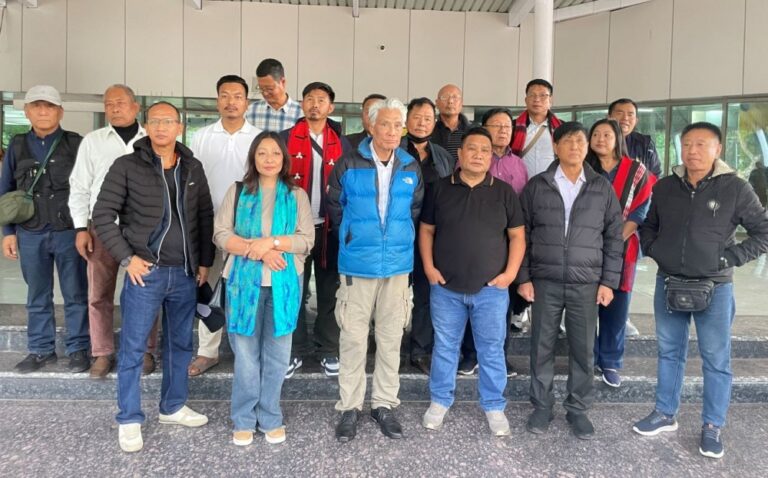
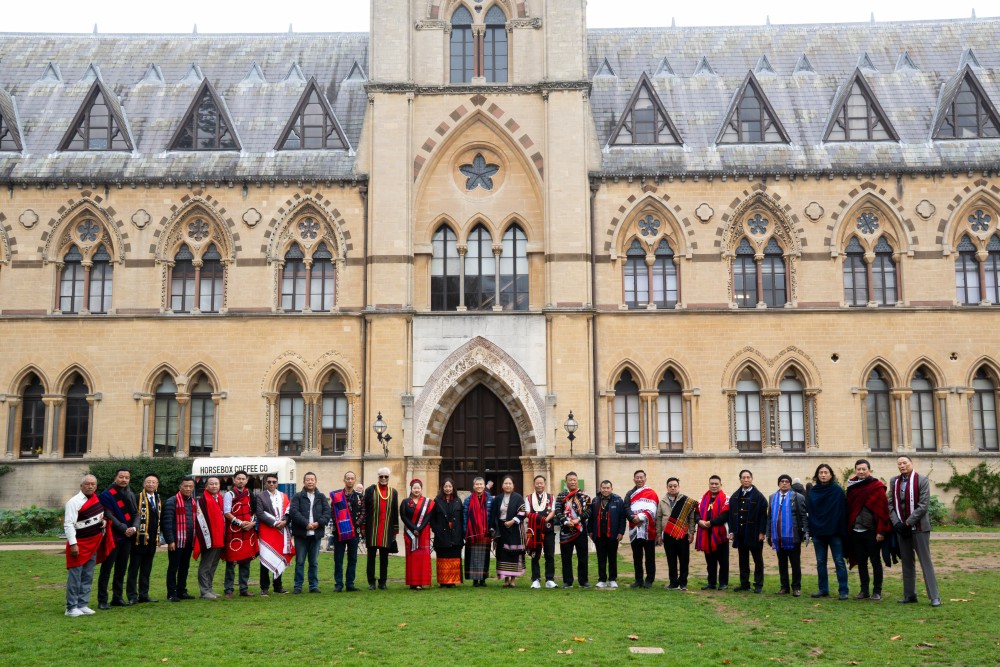
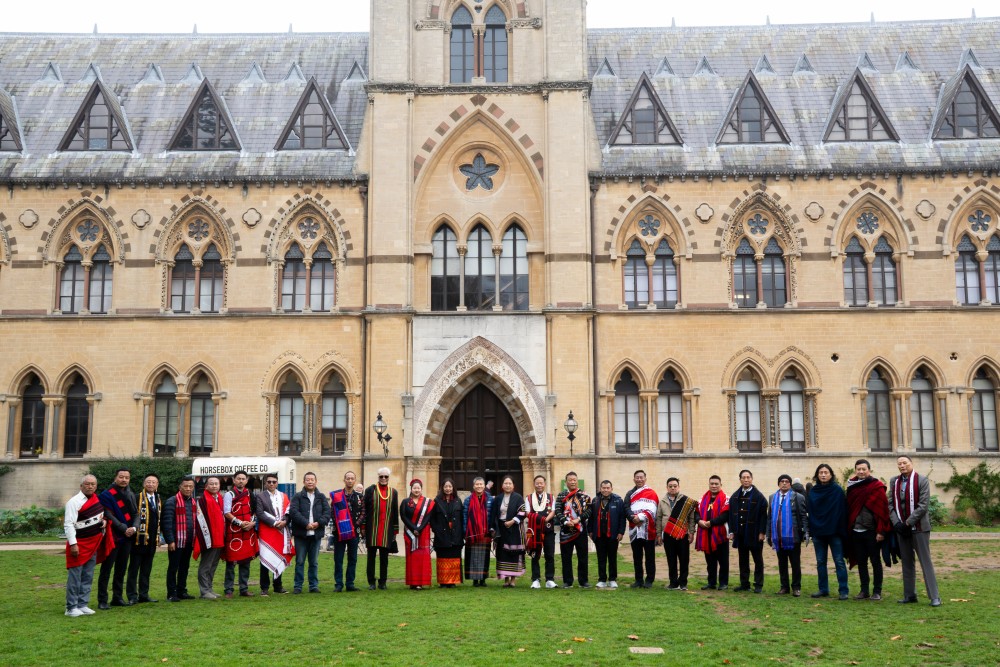
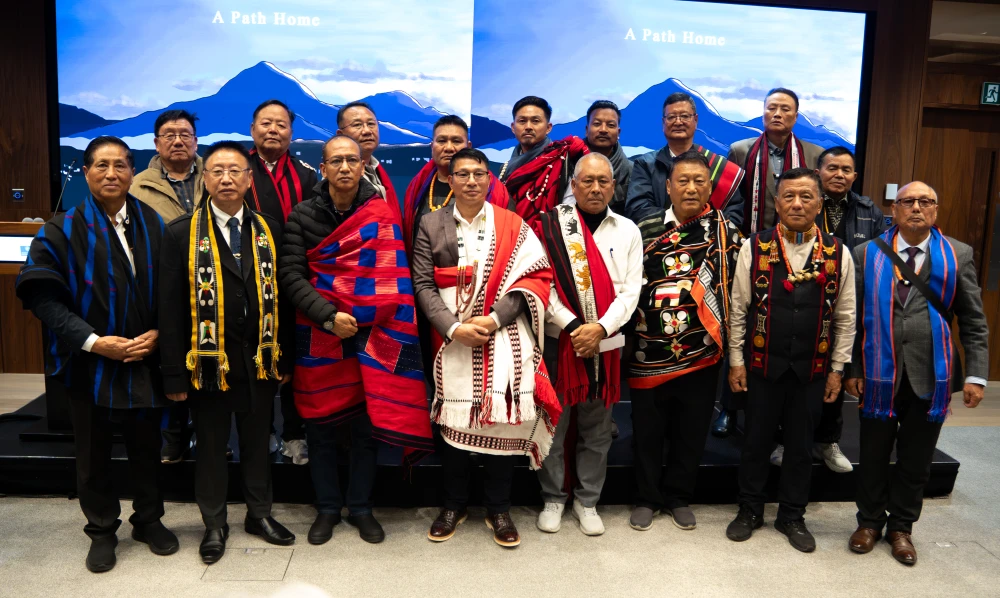
A solemn handover ceremony hosted by the Pitt Rivers Museum (PRM), University of Oxford on November 9 formalise the transfer of the remains to Naga people through the Forum for Naga Reconciliation (FNR) and the Naga Tribe Hoho.
The landmark ‘Transfer of Title’ form was jointly signed by Professor Laura Van Broekhoven and Rev Dr Wati Aier on behalf of the PRM and FNR, respectively. Professor Visier Sanyü attested the document as a witness on behalf of the FNR, while Thejao Vihienuo signed as a representative of the Naga Tribe Hoho.
In a press release, the FNR stated that the ceremony opened with Nyamto Wangsha performing the chant Langhon Langpheng Ngao, invoking the idea that the return of the soul brings healing to the village.
The Vice Chancellor of the University of Oxford, Professor Irene Tracey, described the event as “historic” and stressed that the the Naga repatriation journey was a distinct, community-led initiative of reconciliation, healing and peace.
Meanwhile, in a personal testimony, FNR’s Professor Sanyü recounted the burning of his village by British colonial forces, while emphasising the transformative power of forgiveness in forging and nurturing new friendships, even with those responsible for past harm.
“Hate not transformed is transferred,” he said, quoting late Naga peace activist Niketu Iralu, who applied the principle to the work of peace and reconciliation.
President of Angami Public Organisation, speaking on behalf of the Naga Tribe Hoho, emphasised that repatriation is a “Naga right to take care of our ancestors and an acknowledgement of our common humanity”.
He also stated that all Naga ancestral remains kept in museums must return to their homeland with dignity.
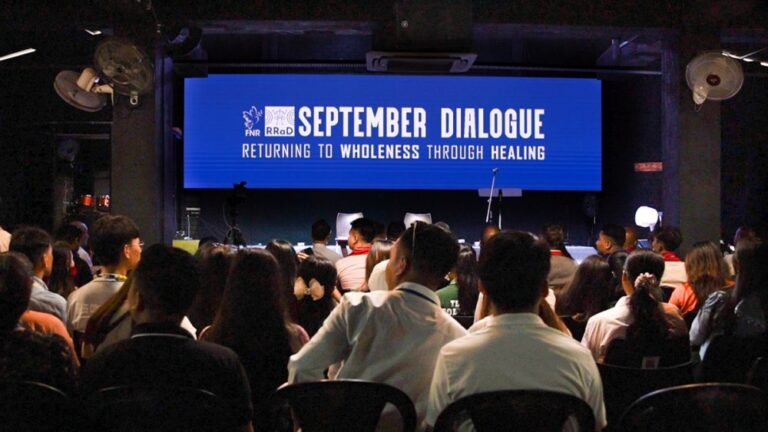
“Repatriation is not the end but a new beginning for the Nagas to create our own story,” said coordinator of the Recover, Restore, and Decolonise (RRaD) team, Rev Dr Ellen Konyak.
Through a song, Nyokei Shemei Leishah, NT Thamlong Phom and Dr Moishen Metjei Phom evoked the sentiments of taking Naga ancestors home.
The gathering recognised the repatriation as the beginning of a journey to address difficult colonial histories and embrace the renewal and visions of a shared humanity, the release said.
Following the handover, the ancestral remains were moved out of the University of Oxford to begin their journey home, it added.
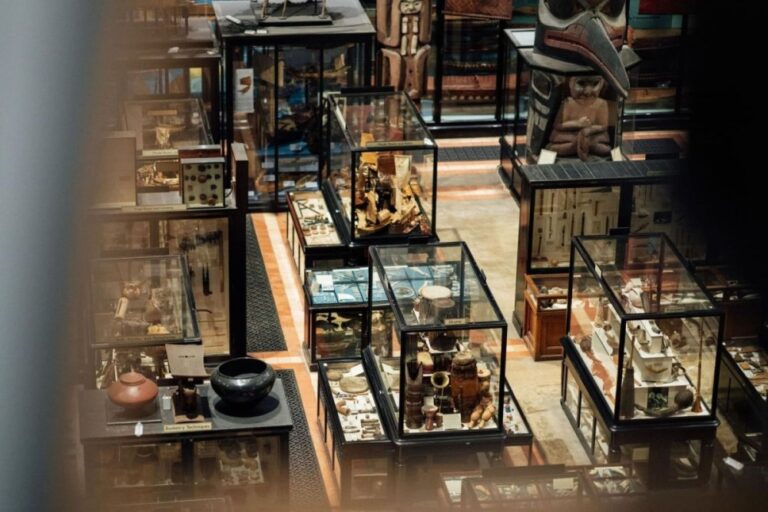
Since the PRM was established in 1884, collectors have donated Naga artefacts, including ancestral human remains, to the museum.
As per the FNR, the Naga repatriation ceremony was the culmination of a process that began in 2020, with the Forum serving as the facilitator and after a more than a century under the custodianship of the PRM, the Naga ancestral remains have now been formally returned to the care of Naga communities.
Meanwhile, preparatory work for the burial site of Naga ancestral remains, being repatriated from the PRM began on Naga Solidarity Park Kohima on November 7.
Background: A six-year journey towards repatriation
The repatriation of 39 Naga ancestral remains from the Pitt Rivers Museum (PRM), University of Oxford, followed a six-year, community-led process facilitated by the Forum for Naga Reconciliation (FNR).
The process began in 2020, when PRM Director Professor Laura Van Broekhoven approached the FNR to facilitate and coordinate the return. This led to the formation of the Recover, Restore and Decolonise (RRaD), a research initiative led by Naga academics Dolly Kikon and Arkotong Longkumer, alongside a network of research volunteers.
The initiative undertook extensive consultations with tribal hohos, civil society organisations, church leaders, students and communities across the Naga homeland.
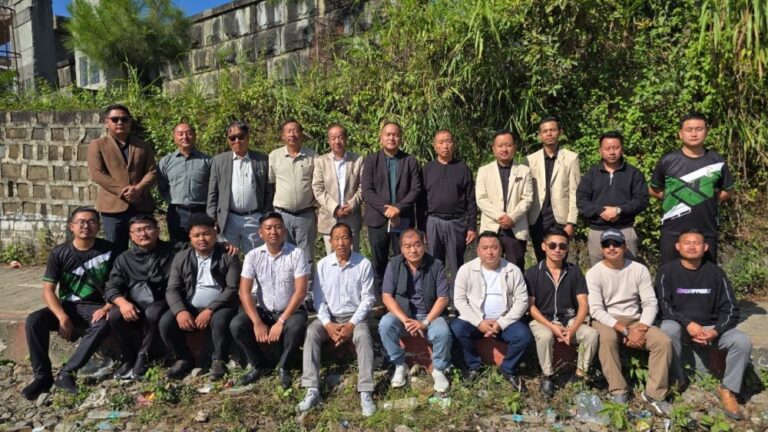
A significant milestone came in June 2025, when the museum invited Naga tribal leaders and representatives of the FNR and RRaD to Oxford to see and bear witness to the ancestral remains for the first time. Consultations held between June 9 and 13 culminated in the adoption of the ‘Naga Oxford Declaration on Repatriation’ on June 13, affirming a united and consensual effort towards the healing and wholeness of the Naga people. The declaration also expressed solidarity with other Indigenous communities seeking the return of ancestral remains.
The engagement continued with a Naga delegation visiting the PRM from June 8 to 14, 2026, to explore the pathway for repatriation and the future care of the remains.
On July 13, 2026, the University of Oxford Council formally approved the return of 39 Naga ancestral remains.
Of the 40 sets under consideration, one was excluded due to insufficient evidence establishing its Naga origin. The decision was communicated by Professor Van Broekhoven to FNR Convenor Rev Dr Wati Aier.
The decision was publicly announced on September 5, 2026, at a press conference in Dimapur by the FNR-RRaD, alongside of Naga tribal leaders.
According to the RRaD, a series of outreach activities and consultations were undertaken across the Naga homeland during the intervening period, engaging tribal hoho leaders, civil society organisations, church leaders, students and intergenerational communities to “educate, share, and build solidarity.”
The November 9 handover at Oxford marked the culmination of the six-year process, transferring custodianship of the 39 ancestral remains to the Naga people.
Read in details here: